Promote
On EAV Point it is possible to promote and activate the participation in one's courses of the target foreseen by each project.

European Added Value Point is a new way to imagine, build and share training. EAV Point is primarily aimed at citizens from all over the world, with a special eye on Europe. On EAV Point you can follow free training courses on important topics such as sport, disability, the environment, active citizenship, the fight against racism, trafficking, gender equality, the recovery of food surpluses... EAV Point is also aimed at all profit and non-profit organizations that manage national and European projects that provide for training within them.

On EAV Point it is possible to promote and activate the participation in one's courses of the target foreseen by each project.
EAV Point is not just any remote asynchronous training platform. It is a shared space that helps projects to reach people, and people to actively participate in national and European projects.
EAV Point allows people to become concrete protagonists of change, participating in first person in the most innovative projects on numerous topics of global importance!
Participate directly in the knowledge and dissemination of the most recent studies on these issues, become part of important national and European projects!
Developing competences and skills of youth workers and trainers in the field of Sport addressed to young people with IDs
Learn MoreApproaching to First Aid practice to improve skills of young people with fewer opportunities and youth workers in the field of Health Assistance
Learn More
Finanziato da: Presidenza del Consiglio dei Ministri

Partner: Comune di Albano • Coop. Girotondo • Maendeleo for Children APS

Iniziativa finanziata dalla Presidenza del Consiglio dei Ministri – Dipartimento per le pari opportunità. Il progetto intende contribuire alla prevenzione del fenomeno della violenza contro le donne, tramite la diffusione di una cultura della parità e la destrutturazione degli stereotipi di genere. Nello specifico, sensibilizzare gli studenti, le famiglie e il corpo docenti delle scuole primarie e secondarie di primo grado del Distretto scolastico di Albano Laziale sul tema della parità di genere proponendo nuovi strumenti e sperimentando un Modello Innovativo Territoriale. Il partenariato è formato dal Comune di Albano, Coop. Girotondo Onlus e Maendeleo for Children APS.
I destinatari diretti riguardano studenti, genitori e altri membri delle famiglie e docenti delle scuole primarie (classi III-IV-V) e secondarie di primo grado nel Distretto scolastico di Albano Laziale. Tra i destinatari indiretti il progetto si prefigge di raggiungere la comunità professionale (es. educatori, psicologi, pedagogisti, etc.), enti terzo settore e istituti scolastici.
Modello Innovativo Territoriale (MIT): incontri di formazione dedicati ai docenti, alle classi e alle famiglie; creazione da parte degli studenti di elaborati tematici; raccolta Questionari anonimi di Valutazione.
Comunicazione e disseminazione: realizzazione di un video di presentazione del progetto da proiettare durante la Rassegna Estiva Cinematografica di Albano Laziale; produzione e distribuzione di pamphlet sulla parità di genere.
L'aspetto innovativo è la definizione di una équipe operativa costituita da docenti, famiglie e rappresentanti degli alunni attraverso la metodologia del "learning by doing" (apprendimento attraverso il fare).
Co-funded by: [European Union]


TRAPROTRYDE project aims at collecting and analysing best practices from partner countries to create an innovative training prototype for professionals in education, therapy, sports, and equestrian activities, based on the TRYDE project's combined evaluation method. This method, developed by a therapist and an equestrian instructor, supports individuals with disabilities in their transition from dependency to autonomy in therapeutic and sports activities.
The project intends to:
Co-finanziato da: [Unione europea - cascade funding di ACtionAid e Fondazione Realizza il Cambiamento]

Partner: [AION APS - MAendeleo for Children APs - CREa APS]

RI-GENDER si pone come un'iniziativa pilota di 12 mesi, un vero e proprio laboratorio di innovazione sociale, per migliorare radicalmente l'approccio territoriale alla GBV, con un'attenzione particolare alle donne vittime GBV che vivono situazioni di fragilità, siano esse migranti, in difficoltà economica o socio-lavorativa, forme meno attenzionate di violenza di genere.
Le donne che subiscono violenza in ambito domestico si scontrano, infatti, con una serie di barriere strutturali che delineano una specifica vulnerabilità e ostacolano i percorsi di empowerment e autonomia.
Il progetto non si limita a fornire supporto, ma mira a costruire un modello replicabile con approccio intersezionale. Attraverso azioni sinergiche, RI-GENDER potenzia anche le competenze di operatori e stakeholder, creando una rete locale forte, cementata da almeno 10 accordi di collaborazione e dall’immissione di nuove expertise.
Per le donne target si sperimenteranno laboratori di artigianato e sartoria abbinati anche all’arteterapia per l’espressione di sé, workshop di mindfulness, strumenti di empowerment e di crescita personale per l’empowerment socio-economico e socio-lavorativo, e si offrirà supporto linguistico con focus sulla spendibilità lavorativa delle competenze acquisite nei laboratori, un ponte verso l'autonomia lavorativa e di costruzione del proprio progetto di vita. Un'attenzione speciale sarà dedicata alle figlie (pre)adolescenti.
Il progetto non dimentica la valutazione, un momento cruciale per capire l'impatto reale delle azioni e per validare il modello e le competenze delle beneficiarie, riconoscendo il loro valore con attestati di microcredenziali spendibili sul mercato del lavoro. Infine, le Linee Guida RI-GENDER permetteranno scalabilità e replicabilità, col contributo di stakeholder anche di rilevanza nazionale ed europea.

Co-funded by: [European Union]


TRAPROTRYDE project aims at collecting and analysing best practices from partner countries to create an innovative training prototype for professionals in education, therapy, sports, and equestrian activities, based on the TRYDE project's combined evaluation method. This method, developed by a therapist and an equestrian instructor, supports individuals with disabilities in their transition from dependency to autonomy in therapeutic and sports activities.

Co-funded by: [European Union]


TRAPROTRYDE project aims at collecting and analysing best practices from partner countries to create an innovative training prototype for professionals in EAI (Education, Therapy, Sport, Leisure), based on the TRYDE project's combined evaluation method. This method, developed by a therapist and an equestrian instructor, supports individuals with disabilities in their transition from dependency to autonomy in therapeutic and sports activities.

Co-funded by: [European Union]


TANGO-LIFE is a project co-funded by the European Union aimed at improving the inclusion and quality of life of people with intellectual disabilities, mental disorders and other fragilities through sport/dance as a holistic approach that promotes physical, emotional and social well-being.
Specifically, the project intends to improve the well-being of 60 people with intellectual disabilities, mental disorders and other fragilities in the target communities through the development and implementation of an innovative inclusion model based on tango, which will have a beneficial impact on the target population by improving physical and mental health outcomes.
The Consortium (Maendeleo for Children APS, Fede in Azione, Tango Por Tres, Društvo za kulturoinkluzije, and IBONIS) is engaged in a shared effort to transfer this innovative rehabilitation model from the local/national level to the EU level, ensuring sustainable positive effects and broader exploitation of results.

Co-funded by: [European Union]


The project, co-funded by the European Union, aims to improve the VET system in the field of High and Special Complexity Teams (HSC Teams) through 1 innovative VET model, with high replicability. It focuses on improving the skills of the professionals involved in the management of HSC Funding and Tenders, guaranteeing them high quality standards, innovation, multidisciplinarity and market reconnaissance.
The concept of High and Special Complexity Teams is declined as those teams that include a (minority or prevalent) part of human resources with complexity of various types: psychiatric disorders, physical or cognitive disabilities at various levels of functioning, mental distress, and other Special Needs and are related to the labour inclusion of frail persons.
As a Primary Outcome, the project aims to define the figure of the managers involved in the management of HSC the characteristics they must have, the added value, the best way to train them and to make them operational successfully in the extremely complex working environment in which they operate. This result can be achieved through 2 Functional Outcomes: the creation of 1 quality VET system aimed at identifying and consolidating transversal competences useful for HSC managers and the creation of 1 Quality Mark that guarantees the competences of the trained managers and gives them an added value that can be used in the labour market.
The primary direct target group are human resources of working age 18-65 who manage or intend to learn to manage High and Special Complexity Teams. The target manager therefore includes resources working in all types of organisations, profit or non-profit, in particular Social Cooperatives and more generally Social Enterprises. Other direct targets are the managers of Social Cooperatives and other Social Enterprises, towards whom a specific communication campaign will be conveyed aimed at raising awareness of the role of this strategic figure, the type of qualifying path that is being developed, and the need for a general sectoral leap for the benefit of the fragile target of persons with Special Needs (SN) of working age.
The main indirect target or target group are members of HSCs, people with disabilities or psychiatric illnesses who benefit from the training received by managers, as well as staff colleagues without SN. The host institutions, where they work, are the second indirect target. They will in fact see the performance of HSCs awarded or involved in various ways in its activities improved. The third group of indirect beneficiaries are the family members of persons with SN, especially family caregivers, who see an important support for the working success of their loved ones. The last indirect target group are public and private therapists who follow persons with SN, who see the success of their own therapies improved and the possibility of reduced prescriptions of certain drugs opened up.

Co-funded by: [European Union]


The specific objective of NPCSkills - Non-Profit Consultants' Skills is to improve the transversal skills of the various professional figures who offer consultancy to the European non-profit sector, with a view to innovation, multidisciplinarity, market recognition and the ability to guarantee a high standard of quality of the service offered, regardless of their area of specialization.
The European Third Sector is very diverse in terms of the professionals working in it, the skills required of them differ based on their respective areas of professional specialization, although there are some of a transversal nature that should characterize any professional figure offering consulting services in the nonprofit sector, in order to be qualified as an "expert in the Third Sector." Thus, the expected result is the definition of a professional training model, innovative and replicable, that allows the VET sector to approach the world of the Third Sector in order to fill this need for transversal skills.
The creation of an innovative Quality label that attests to the expertise and specialization of professionals in the nonprofit sector and is based on a set of efficiency and professionalization indicators, determined on a national and European basis and representative of the requirements that different professional figures must meet in order to be qualified as expert consultants to the Third Sector.
Through a vocational training model for consultants in the Third Sector, based on information about the skills most in demand in the market, a tailor-made training offer will be determined, that facilitates the transfer, recognition, and accumulation of skills through teaching and helps increase the flexibility and attractiveness of VET vocational training.

Co-funded by: [European Union]


The specific objective of TOURISTABLE is to create an innovative training model that enables the VET sector to align with the needs of the labour market while being related to the themes of inclusion and innovation in the tourism sector. Formal and informal learning environments play a fundamental role in stimulating participation in social and cultural life, assisting people with disabilities in reaching their potential.
The expected outcome is a replicable VET model focused on inclusive tourism and the inclusion of organisations active in employment pathways. The focal point is to increase the autonomy of people with disabilities and simultaneously involve them in the enhancement of local cultural and tourist resources. The current attention to the need for broad participation leads to a reconsideration of the concept of accessibility, extending it to all dimensions: physical, cognitive, sensorial, cultural, economic, and educational. Hence, the need to extend opportunities for inclusion, not only by removing physical and sensorial barriers but also by considering communicative and cognitive obstacles in accessing knowledge and flipping the paradigm, making people with disabilities agents of territorial enhancement.
Promoting participation in territorial enhancement for people with intellectual disabilities means realising self-determination, emancipation, inclusion, and empowerment.
Co-funded by: [8xmille CHIESA VALDESE]

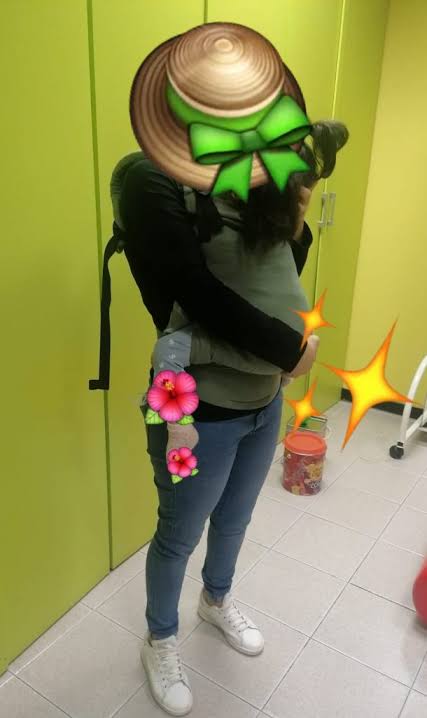
Il progetto mira a migliorare la qualità della vita e il benessere psico-fisico di 10 bambini (0-4 anni) con disabilità e bisogni speciali (alterazioni nello sviluppo neuromotorio, cognitivo e neurosensoriale), potenziando la cura e l'assistenza terapeutica attraverso una maggiore diffusione del babywearing.

Co-funded by: [European Union]

The specific objective of TOURISTABLE is to create an innovative training model that enables the VET sector to align with the needs of the labour market while being related to the themes of inclusion and innovation in the tourism sector. Formal and informal learning environments play a fundamental role in stimulating participation in social and cultural life, assisting people with disabilities in reaching their potential.
The expected outcome is a replicable VET model focused on inclusive tourism and the inclusion of organisations active in employment pathways. The focal point is to increase the autonomy of people with disabilities and simultaneously involve them in the enhancement of local cultural and tourist resources. The current attention to the need for broad participation leads to a reconsideration of the concept of accessibility, extending it to all dimensions: physical, cognitive, sensorial, cultural, economic, and educational. Hence, the need to extend opportunities for inclusion, not only by removing physical and sensorial barriers but also by considering communicative and cognitive obstacles in accessing knowledge and flipping the paradigm, making people with disabilities agents of territorial enhancement.
Promoting participation in territorial enhancement for people with intellectual disabilities means realising self-determination, emancipation, inclusion, and empowerment.

Co-funded by: [Regione Lazio]


Mit Link è un progetto co-finanziato dalla Regione Lazio nell'ambito dell'Avviso Pubblico "Comunità Solidali 2022" nato con l'obiettivo fondamentale di stimolare, sia mente che corpo, 100 persone non autosufficienti e/o con disabilità; si articola in:
Laboratorio di Musica,
Laboratorio di Teatro,
Laboratorio di Attività sportiva,
Laboratorio di Tango,
Laboratorio di Attività manuali.
Tutte queste attività, insieme ad altri innovativi strumenti di formazione, costituiscono un Kit di strumenti per la gestione delle fragilità, rivolto agli operatori sociali e usufruibile da essi lungo il percorso intrapreso dalle persone diversamente abili verso una migliore condizione di vita.
Il progetto mira a migliorare l'inclusione sociale di 100 persone non autosufficienti o con disabilità nel territorio di Roma – Città Metropolitana – area territoriale socio-sanitaria ASL RM6; per raggiungere tale obiettivo, il progetto intende creare un modello territoriale MIT Link di valorizzazione e applicazione di strumenti innovativi di gestione delle fragilità e di promozione dello sport come strumento di aggregazione e crescita sociale. Segue ora l'elenco dei Partners del Progetto:
CAPOFILA: Maendeleo for Children APS;
PARTNER: Confraternita di Misericordia Ariccia – Empowerment for Social Change;
COLLABORATORE GRATUITO: Cooperativa GIROTONDO;
SOGGETTI TERZI: FEDE IN AZIONE (FIA), TANGOBAR, SMe System Srl.
Co-funded by: [Fondazione Cariverona]


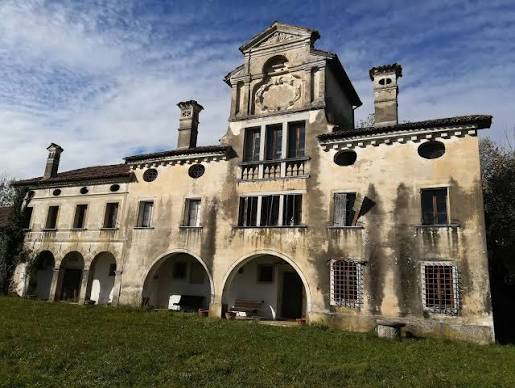
Il progetto “Villa Zuppani, la ricchezza della biodiversità” intende contribuire all'avvio nella Valbelluna di uno sviluppo fondato sulla conservazione degli ecosistemi e il rispetto dell’autenticità dei luoghi, a contrasto delle dinamiche di spopolamento e abbandono caratteristiche soprattutto della parte alta della provincia di Belluno.
Con interventi mirati e articolati, in una strategia integrata e condivisa da attori pubblici e privati, il progetto vuole rendere il compendio di Villa Zuppani un volano per lo sviluppo locale e un modello per lo sviluppo di insediamenti territoriali simili, attraverso la valorizzazione delle caratteristiche intrinseche dei luoghi e delle produzioni locali, la conservazione della biodiversità in tutte le sue forme, intesa come ricchezza della vita in sé, la creazione di spazi e luoghi interessati da nuove dinamiche sociali, culturali ed economiche e la definizione di un’offerta turistica esperienziale e sostenibile.
Co-funded by: [AICS]

Il progetto CO.DI.RE. ha come obiettivo specifico il miglioramento, la conoscenza e la vicinanza dei ragazzi e giovani (età 13-18 anni) dell’Emilia-Romagna all’ECG, ai suoi obiettivi e valori, attraverso la creazione di un innovativo sistema territoriale di promozione della Cittadinanza Globale basato sulla sinergia tra mondo della scuola, società civile e imprenditoriale e enti locali, finalizzato al consolidamento di una sensibilizzazione diffusa e imperniato sull’interconnessione tra scelte quotidiane e Sviluppo Sostenibile.
Il progetto si rivolge ai gruppi target:
1) Docenti del 3° anno della scuola secondaria di I grado e secondaria di II grado
2) Studenti del 3° anno della scuola secondaria di I grado e secondaria di II grado
3) Enti locali
4) Associazioni del terzo settore e società civile
5) Mondo del lavoro e imprese locali
La formazione dei docenti mira al rafforzamento delle competenze e delle conoscenze sui temi e sulle metodologie dell’Educazione alla Cittadinanza Globale (ECG), con focus di approfondimento sugli OSS dell’Agenda 2030.
Il percorso promuove:
- protagonismo attivo dei docenti
- costituzione di un gruppo di Ricerca-azione per elaborare materiale didattico ed educativo efficace, individuare e mettere a regime i rimandi alle specifiche discipline, l’interdipendenza reciproca, pratiche didattiche e metodologie da adottare all’interno e all’esterno della scuola
- sviluppo di metodologie che nutriranno indicatori locali legati all’ECG in modo da monitorare lo stato di attuazione degli obiettivi e verificare i cambiamenti auspicati sul territorio.
Gli insegnanti alla fine della formazione riceveranno degli Open Badge, distintivi digitali, visualizzabili e ricchi di informazioni, che certificano competenze, capacità, appartenenza a gruppi, partecipazioni a corsi o attribuzione di crediti.

Co-funded by: [AICS]
Il progetto CO.DI.RE. ha come obiettivo specifico il miglioramento, la conoscenza e la vicinanza dei ragazzi e giovani (età 13-18 anni) dell’Emilia-Romagna all’ECG, ai suoi obiettivi e valori, attraverso la creazione di un innovativo sistema territoriale di promozione della Cittadinanza Globale basato sulla sinergia tra mondo della scuola, società civile e imprenditoriale e enti locali, finalizzato al consolidamento di una sensibilizzazione diffusa e imperniato sull’interconnessione tra scelte quotidiane e Sviluppo Sostenibile.
Il progetto si rivolge ai gruppi target:
1) Docenti del 3° anno della scuola secondaria di I grado e secondaria di II grado
2) Studenti del 3° anno della scuola secondaria di I grado e secondaria di II grado
3) Enti locali
4) Associazioni del terzo settore e società civile
5) Mondo del lavoro e imprese locali
La formazione dei docenti mira al rafforzamento delle competenze e delle conoscenze sui temi e sulle metodologie dell’Educazione alla Cittadinanza Globale (ECG), con focus di approfondimento sugli OSS dell’Agenda 2030.
Il percorso promuove:
- protagonismo attivo dei docenti
- costituzione di un gruppo di Ricerca-azione per elaborare materiale didattico ed educativo efficace, individuare e mettere a regime i rimandi alle specifiche discipline, l’interdipendenza reciproca, pratiche didattiche e metodologie da adottare all’interno e all’esterno della scuola
- sviluppo di metodologie che nutriranno indicatori locali legati all’ECG in modo da monitorare lo stato di attuazione degli obiettivi e verificare i cambiamenti auspicati sul territorio.
Gli insegnanti alla fine della formazione riceveranno degli Open Badge, distintivi digitali, visualizzabili e ricchi di informazioni, che certificano competenze, capacità, appartenenza a gruppi, partecipazioni a corsi o attribuzione di crediti.
Co-funded by: [AICS]
Il progetto CO.DI.RE. ha come obiettivo specifico il miglioramento, la conoscenza e la vicinanza dei ragazzi e giovani (età 13-18 anni) dell’Emilia-Romagna all’ECG, ai suoi obiettivi e valori, attraverso la creazione di un innovativo sistema territoriale di promozione della Cittadinanza Globale basato sulla sinergia tra mondo della scuola, società civile e imprenditoriale e enti locali, finalizzato al consolidamento di una sensibilizzazione diffusa e imperniato sull’interconnessione tra scelte quotidiane e Sviluppo Sostenibile.
Il progetto si rivolge ai gruppi target:
1) Docenti del 3° anno della scuola secondaria di I grado e secondaria di II grado
2) Studenti del 3° anno della scuola secondaria di I grado e secondaria di II grado
3) Enti locali
4) Associazioni del terzo settore e società civile
5) Mondo del lavoro e imprese locali
La formazione dei docenti mira al rafforzamento delle competenze e delle conoscenze sui temi e sulle metodologie dell’Educazione alla Cittadinanza Globale (ECG), con focus di approfondimento sugli OSS dell’Agenda 2030.
Il percorso promuove:
- protagonismo attivo dei docenti
- costituzione di un gruppo di Ricerca-azione per elaborare materiale didattico ed educativo efficace, individuare e mettere a regime i rimandi alle specifiche discipline, l’interdipendenza reciproca, pratiche didattiche e metodologie da adottare all’interno e all’esterno della scuola
- sviluppo di metodologie che nutriranno indicatori locali legati all’ECG in modo da monitorare lo stato di attuazione degli obiettivi e verificare i cambiamenti auspicati sul territorio.
Gli insegnanti alla fine della formazione riceveranno degli Open Badge, distintivi digitali, visualizzabili e ricchi di informazioni, che certificano competenze, capacità, appartenenza a gruppi, partecipazioni a corsi o attribuzione di crediti.

Co-funded by: [European Union]


SPORTISM Project will be carried out by 5 consortium partners from: Slovenia (coordinator – Društvo za kulturo inkluzije), Italy (Maendeleo for Children), Croatia (Centre for Autism Rijeka), Serbia (Sport Association ‘Milan Petrović’) and Romania (ACS Kory Francis).
It will promote and strengthen inclusion, social inclusion and equal opportunities for children and adolescents with Autism spectrum disorder (ASD), intellectual and multiple disabilities through sport activities. The major focus will be given to spread the exercises for the development of basic motor skills, especially coordination and balance, which are crucial for the development of other skills for our target group. As it is known, motor development has a great influence on the development of other areas, such as social and cognitive development, which means that movement plays a major role in the holistic development of each individual.
From this point of view, it is important to promote the inclusion of our target group through sport, as its positive influences are evident in everyday life. In addition to promoting and strengthening inclusion, social inclusion and improving the motor skills and social skills of target group, a systematic monitoring of the physical condition of the individual will be established, professional trainings for people working in sport, health and education of target group will be provided and the awareness of the importance of movement for this population will be increased.
At the same time, international and local cooperation of experts from 5 participating organizations will be encouraged through inter-partner meetings, with the exchange of good practices and the conference wider society will be addressed, and trainings of volunteers will be performed to improve the work with the target group. Main results of the project will be 3 e-manuals for developing and monitoring motor skills of individuals.
Co-funded by: [European Union]


The partnership of the TRYDE project organizes a Virtual Training Course dedicated to operators (psychologists, EAI experts) who work with people with intellectual disabilities. The training of the TRYDE Project aims to disseminate the methodology of Equine Assisted Interventions (EAI).
The virtual training course will take place online in asynchronous mode (ie the contents will be available on the platform).
The duration of the course is 50 hours and will be divided into 3 thematic sessions:
1. General part
2. Preparatory works of the Gymkhana
3. Evaluation of the results of the Gymkhana
4. General Session: Sport and Intellectual Disabilities
The TRYDE training proposal is the result of an international effort developed within the Erasmus + project thanks to partners such as:

Co-funded by: [European Union]

The partnership of the TRYDE project organizes a Virtual Training Course dedicated to operators (psychologists, EAI experts) who work with people with intellectual disabilities. The training of the TRYDE Project aims to disseminate the methodology of Equine Assisted Interventions (EAI).
The virtual training course will take place online in asynchronous mode (ie the contents will be available on the platform).
The duration of the course is 50 hours and will be divided into 3 thematic sessions:
1. General part
2. Preparatory works of the Gymkhana
3. Evaluation of the results of the Gymkhana
4. General Session: Sport and Intellectual Disabilities
The TRYDE training proposal is the result of an international effort developed within the Erasmus + project thanks to partners such as:
Co-funded by: [Regione Lazio]



Il progetto SEMI mira a favorire l’inclusione sociale e lavorativa di 150 adulti (di età compresa trai 35 e gli 85 anni) in condizione di svantaggio economico e povertà (tra cui disoccupati, migranti, rifugiati, anziani, disabili, famiglie in difficoltà) del territorio dell’ASL RM6 (Comune di Ariccia) attraverso un modello di servizi integrati, basato sulla realizzazione e gestione di un orto comunale, sul sostegno socio-sanitario e su attività laboratoriali inclusive e di formazione professionale, in grado di contrastare efficacemente e tempestivamente marginalità e fragilità.

Co-funded by: [OSO - FONDAZ. Vodafone]

The project provides training courses for trainers and coaches to learn new ones methods and strategies to interface with children with autism thanks to the support of the discipline of Globality of Languages (GoL), stimulating non-verbal communication and teaching them approaches and techniques for integrate children with autism in sporting paths. Trainers and coaches will be trained both locally directly on the territory of the outskirts of Naples (in presence) and on the whole national territory thanks to the development of a platform that will deliver training via webinar/e-learning.

Co-funded by: [European Union]


EUinAID intended to foster youth active citizenship throughout Europe by providing them (hard/soft) skills and competences on First Aid practice, through an innovative transnational approach to First Aid based on youth engagement, non-formal/informal learning and networking. As part of the innovation concerning learning activities, the e-training platform developed within EUinAID supported virtual mobility and allowed learners to strengthen soft (ICT) skills, and jointly with trainers, to actively participate in the training path by autonomously generating, exchanging and sharing formal and informal multimedia training contents. By this, young people used learning materials fitting to their technology readiness and have been supported in their skills needed for their job life and gained more self-esteem in their capabilities.

Co-funded by: [European Union]


In order to develop socio-professional competences and soft and technical skills of youth workers and trainers capable to foster participation in sport and physical activities for young people with Intellectual Disabilities, the INSIDes project adopts a working methodology based on multiple aspects at all levels. One of these aspects regarding the virtual learning, consists in a multidisciplinary approach (including the innovative Italian discipline of the Globality of Languages (GoL) to address the special needs of young people with intellectual disabilities). The socio-psycho-pedagogical discipline "Globality of Languages" (GoL) ideated by the Italian pedagogist Stefania Guerra Lisi, usually oriented to therapeutic, educational, training and/or animation purposes, will be used for non-formal training courses targeting operators and professionals in the field of Sports, as a tool for enhancing inclusiveness of sport practices towards Youth and different target groups. Starting from the use of all communicative and expressive languages, mainly drawn from Arts (the discipline is open to all communication and expressive possibilities, verbal and/or non-verbal), GoL-based knowledge/hard/soft skills, focusing on the specificities of ASD, will be transferred encouraging personal and collective growth experiences for trainers, teams and athletes also through online sharing of open training contents, OERs.

Co-funded by: [European Union]


The seminar has as its purpose the study and familiarization of the participant with the "Planning Focused on person" useful for planning transitions and other events of the life of children and adults with autism.
The course is developed and implemented within the project Erasmus + Project "AUTISM_PCP" (2018-1-EL01-KA204-0047788), a strategic partnership created from September 2018 to August 2021 in 5 countries: Greece (Cyclisis-Coordinator & DADAA), Bulgaria (PNCD), Cyprus (Shipcon), Italy (MfC APS), North Macedonia (MSSA) and Romania (SG Smaranda Gheorghiu).
The course is dedicated to operators (psychologists, educators, caregivers) who work with people with autism spectrum disorder, or in any case to all those who have direct or indirect experience of it and it lasts 20 hours.

Co-funded by: [European Union]


In order to increase and enhance social inclusion and autonomy of 30 Youth with ASD (13-21) and based on the assumption that sport plays a strong societal role as a source of and a driver for active social inclusion, SPID-AP project intended to deliver a transnational model of innovative inclusive practices based on sport activities, EU networking & capacity building in the field of Sport and Disability.
Based on the SPID-AP Training Materials produced, addressing coaches, PE teachers, CSOs staff and volunteers dealing with Youth & ASD, capacity building activities were carried out, mainly inspired by the socio-psycho-pedagogical discipline "Globality of Languages" (GoL) - by Stefania Guerra Lisi - usually oriented to therapeutic, educational, training and/or animation purposes with the use of all communicative and expressive languages, mainly drawn from Arts and used within the train-the-trainer courses engaging 119 learners as a tool for enhancing inclusiveness of sport practices towards Youth and different target groups. The piloting experience was thus completed by sports programs for young with ASD and Round Tables in each country with relevant stakeholders, presenting the SPID-AP model for further exploitation at institutional/non institutional level.
TRAINING_PRIVATE_ROOM dello STAFF di PARENT PROJECT


